
-
Assurance Folded Splint
Regular price $29.97Sale price $29.97 Regular priceUnit price per -
Assurance Splint Folded Small
Regular price $19.97Sale price $19.97 Regular priceUnit price per -
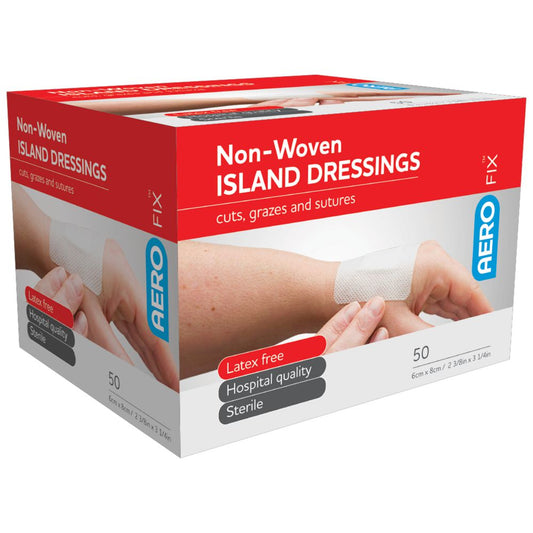
Breathable Island Dressing Range
Regular price From $1.30Sale price From $1.30 Regular priceUnit price per -
Register of Injuries Pad
Regular price $9.95Sale price $9.95 Regular priceUnit price per -
 SALE
SALEInstant Ice Packs
Regular price $5.50Sale price $5.50 Regular priceUnit price per$5.80SALE -
First aid spray 50ml
Regular price $10.40Sale price $10.40 Regular priceUnit price per -
Non-Adherent Eye Pads 5.5 x 7.7cm
Regular price $1.06Sale price $1.06 Regular priceUnit price per -
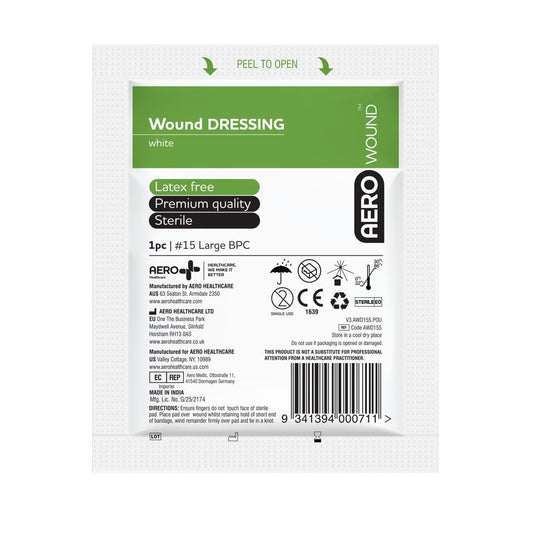
Wound Dressings
Regular price From $0.35Sale price From $0.35 Regular priceUnit price per -
Cooling Spray 200mL (DG)
Regular price $24.95Sale price $24.95 Regular priceUnit price per -

 Out of Stock
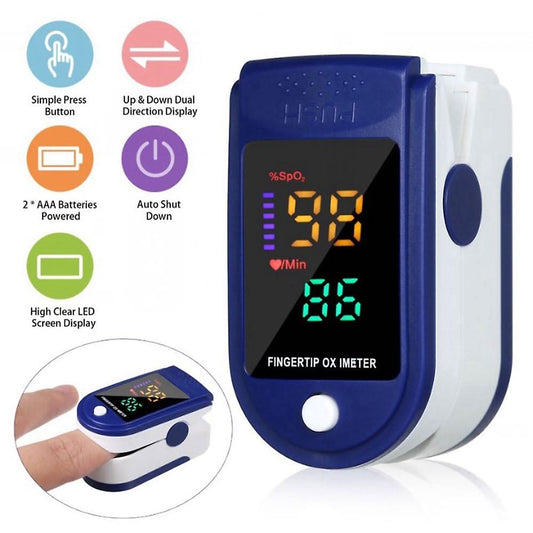
Pulse Oximeter Fingertip
Regular price $9.00Sale price $9.00 Regular priceUnit price per$40.00Out of Stock -
Digital Clinical Thermometer
Regular price $15.00Sale price $15.00 Regular priceUnit price per -
Space Chamber Slim Cardboard Spacer 10.5cm x 14.2cm single
Regular price $10.00Sale price $10.00 Regular priceUnit price per -
Disposable Blue Plastic Kidney Dish 700mL (230mm)
Regular price $0.50Sale price $0.50 Regular priceUnit price per$14.95SALE -
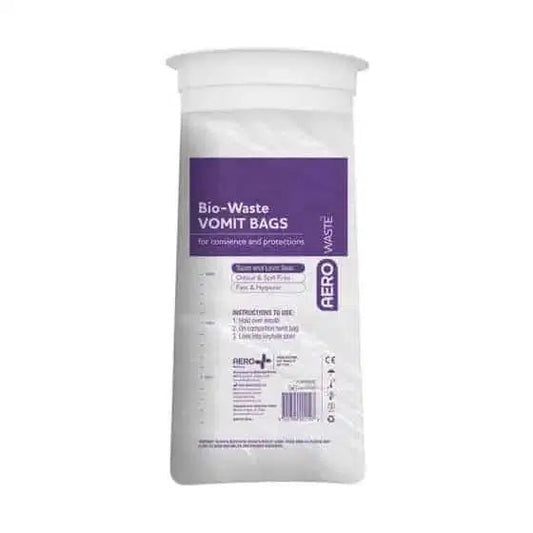
Bio-Waste Vomit Bag 1500ml
Regular price $2.99Sale price $2.99 Regular priceUnit price per$4.99SALE -
Nitrile Gloves- Boxes
Regular price $25.00Sale price $25.00 Regular priceUnit price per$29.99SALE -
Pupil Diagnostic Pen Light
Regular price $7.50Sale price $7.50 Regular priceUnit price per -
Burn Gel Sachet 3.5g
Regular price $1.20Sale price $1.20 Regular priceUnit price per -
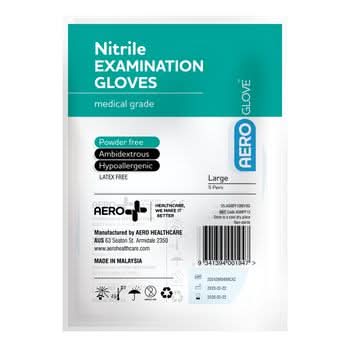
Large nitrile powder-free gloves
Regular price From $1.10Sale price From $1.10 Regular priceUnit price per -
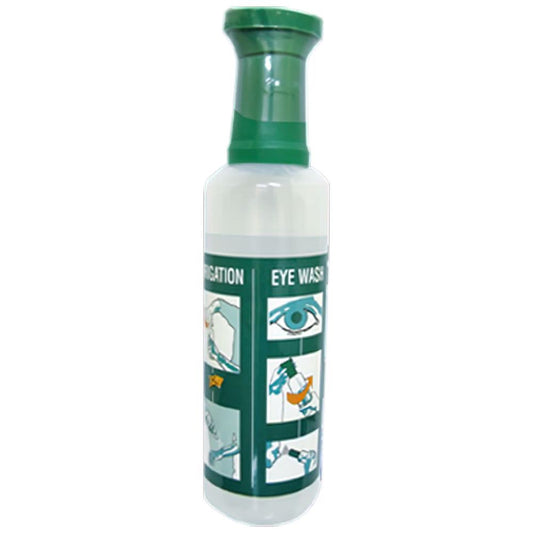
Drop Eyewash Bottle Range
Regular price From $12.50Sale price From $12.50 Regular priceUnit price per -
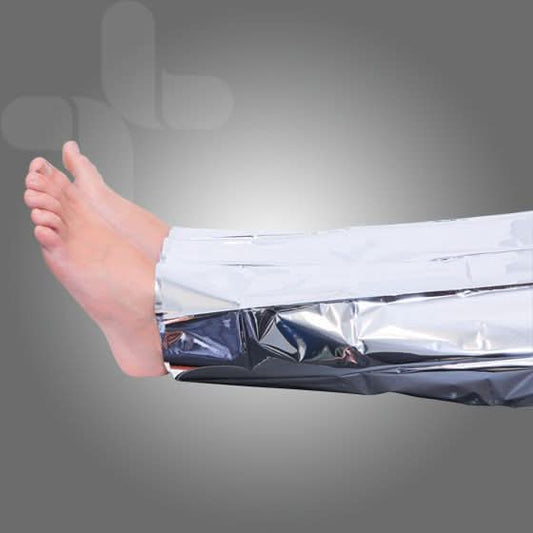
Thermal Blanket 140 x 210cm
Regular price $3.25Sale price $3.25 Regular priceUnit price per -
Non Adherent Dressings
Regular price From $0.70Sale price From $0.70 Regular priceUnit price per -
CPR Mask Hard Cover
Regular price $26.00Sale price $26.00 Regular priceUnit price per -
Butterfly Wound Closures 45 x 10mm Box/10
Regular price $6.55Sale price $6.55 Regular priceUnit price per -
Cotton calico triangular bandage 110 x 110 x 155cm
Regular price $2.75Sale price $2.75 Regular priceUnit price per















First Aid Supplies — Restock, Rebuild or Build From Scratch
Grab what's missing. Replace what's expired. Or build your own kit from scratch — without the waste. This collection brings together the real essentials found in properly stocked Australian first aid kits. Every item is hospital-grade, WHS-compliant, and selected because it gets used in real incidents.
No forced bundles. No filler items. Just the supplies your kit actually needs — ordered individually, in the quantities you choose.
Shop by Supply Category
Browse by the type of supply you need — or scroll through the full collection below.
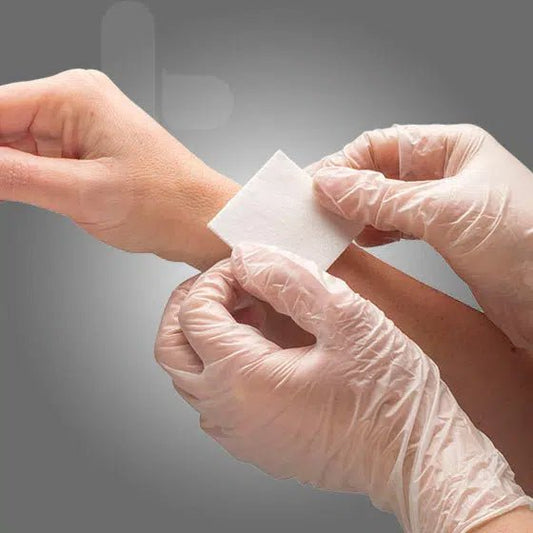
Sterile dressings, combine pads, non-adherent dressings, wound closure strips and more.
Burns Burn CareBurn gel sachets, burn gel spray, burn sheets and low-adherent burn dressings.
Eye Care Eye WashSaline ampoules, eye wash bottles, eye pads and personal eyewash stations.
PPE Gloves & PPENitrile powder-free gloves, CPR masks, face shields and barrier protection.
Bleed Control Bleed Control AccessoriesTourniquets, wound packing gauze, trauma dressings and haemostatic supplies.
Restock Restock Your KitPre-matched restock packs for Assurance kits. Replace everything in one order.
Refill Packs Refill & Restock PacksComplete refill bundles matched to Assurance kit models. Fast, easy, audit-ready.
Cases Empty First Aid Bags & CasesEmpty cases, bags and pouches for building your own kit or replacing a damaged case.
Schools School First Aid SuppliesSupplies specifically suited to school, daycare and early childhood first aid requirements.
Signage First Aid SignsWorkplace first aid signage, AED signs, CPR charts and compliance signage for Australian workplaces.
Who Orders From This Collection
Individual supplies suit a wide range of buyers — from workplace safety officers doing annual audits through to parents replacing used items after a weekend incident.
How to Audit Your First Aid Kit
Most kits end up with half-used items, expired dressings, and nothing you actually need in an emergency. A proper audit takes less than ten minutes and should happen at least every 12 months — and immediately after any use.
- Empty the kit completely and lay all items out so you can see everything
- Check expiry dates on dressings, eye wash ampoules, CPR masks, and gloves
- Discard anything expired, damaged, opened, or contaminated
- Check quantities — ensure you have enough bandages for full limb coverage if needed
- Restock missing or expired items individually from this collection, or use a matched restock pack
- Record the audit date — SafeWork Australia recommends keeping a maintenance log
Common First Aid Supply Expiry Guide
| Supply Type | Typical Expiry | Check For |
|---|---|---|
| Sterile wound dressings | 3–5 years from manufacture | Date on packaging, intact seal |
| Eye wash ampoules | 2–3 years | Date on ampoule, no discolouration |
| CPR face masks | 3–5 years | Packaging integrity, valve condition |
| Nitrile gloves | 3–5 years | No brittleness, tackiness or discolouration |
| Burn gel sachets | 2–3 years | Date on sachet, intact seal |
| Triangular bandages | 5+ years if sealed | Packaging intact, no visible damage |
| Adhesive bandages | 3–5 years | Adhesive still effective, packaging sealed |
Frequently Asked Questions
Are these first aid supplies WHS compliant?
Can I build a complete first aid kit from individual supplies?
How do I know what to restock in my first aid kit?
Can I order in bulk for a workplace or school?
Are these supplies compatible with Assurance pre-built kits?
Guides to Help You Restock Right
Last reviewed: March 2026
Not sure which kit is right for you? Answer three questions and we'll point you to the right one.
Find Your Kit