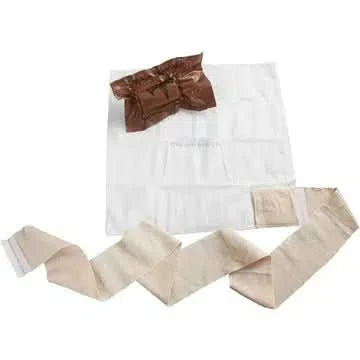
Collection: Bleed Control Accessories

Serious bleeding needs serious gear. These trauma kits are built for fast response when every second counts.

Bleed Control Accessories — Add Trauma Capability to Any Kit

A few bandages won't stop a major bleed. In a serious incident — a workplace injury, a road accident, a remote area emergency — the equipment that matters is a tourniquet, a trauma dressing, and wound packing gauze. These are the tools that buy time until emergency services arrive.

This collection brings together individual bleed control accessories so you can add trauma capability to an existing kit, replace used or expired components, or build a custom setup for your specific environment. Hospital-grade. Individually selected. No filler.

Standard First Aid Kits Don't Include These Items Most workplace and home first aid kits are stocked for minor injuries. They do not include a tourniquet, wound packing gauze, or trauma pressure dressing. Adding these three items to any existing kit closes the most critical gap in serious bleeding response.

What Each Item Does — and Why It Matters

Understanding the role of each accessory helps you choose the right combination for your environment and risk profile.

Priority Item 1 Tourniquet

Applied to a limb to completely stop blood flow from a severe wound. Used when direct pressure alone cannot control bleeding. The single most important item for limb haemorrhage control — practise application before you need it.

Priority Item 2 Wound Packing Gauze

Packed firmly into deep or penetrating wounds where a tourniquet cannot be applied — torso, neck, or junctional wounds. Applies internal pressure to slow bleeding from cavities that surface dressings cannot reach.

Priority Item 3 Trauma Pressure Dressing

A multi-layer dressing applying firm, sustained pressure to wounds once packing or tourniquet is in place. Maintains compression during transport and reduces the need for continuous manual pressure.

Supporting Item Trauma Shears

Heavy-duty shears for rapidly cutting through clothing, gear, or seatbelts to expose a wound. Essential for fast wound access — especially in vehicle or worksite incidents.

Supporting Item Nitrile Gloves

Infection control for the responder. Always the first item to reach for before making contact with a wound. Hospital-grade nitrile — durable under pressure.

Selected Models Haemostatic Dressings

Dressings containing agents that accelerate clotting for wounds where standard packing is insufficient. Used in high-risk environments and by trained first responders.

Training Is Strongly Recommended Tourniquet application and wound packing are skills that improve significantly with practice. Knowing the technique before an incident — not during one — is what makes these accessories effective. Seek out a first aid or trauma response course that covers haemorrhage control.

Who Orders Bleed Control Accessories

Individual accessories suit anyone adding trauma capability to an existing kit — or replacing components after use.

Safety officers
Construction & trades
Remote workers
4WD travellers
Hunters & shooters
Arborists
Farm operators
Prepared households
Adding to a WHS Workplace Kit? Under Safe Work Australia's First Aid in the Workplace Code of Practice, high-risk workplaces must provide equipment appropriate to their identified hazards. For sites where serious lacerations, crush injuries or penetrating wounds are realistic risks, adding bleed control accessories to an existing kit supports compliance with the risk-based requirements of the Code. Always conduct a site-specific risk assessment. See our complete Trauma & Bleed Control Kits → for ready-built options.

Looking for a Complete Kit?

If you need a ready-built trauma kit rather than individual accessories, these collections have you covered.

Frequently Asked Questions

What bleed control accessories do I need?
For major bleed control capability, a kit should include at minimum a tourniquet, a trauma pressure dressing, and wound packing gauze. These three items address the most common causes of preventable death from bleeding — limb bleeds, junctional wounds, and penetrating injuries. Nitrile gloves and trauma shears are essential supporting items.
Can I add these to my existing first aid kit?
Yes. These accessories are designed to supplement any existing first aid kit that lacks trauma capability. Adding a tourniquet, trauma dressing and wound packing gauze to a standard workplace or vehicle kit significantly improves its ability to manage a serious bleeding incident before emergency services arrive.
What is the difference between a tourniquet and a pressure bandage?
A tourniquet is applied to a limb to completely stop blood flow from a severe wound — used when direct pressure alone cannot control bleeding. A pressure bandage applies firm, sustained pressure to a wound to slow or stop bleeding without cutting off circulation. Both serve different roles and both are important in a comprehensive bleed control setup.
What is wound packing gauze used for?
Wound packing gauze is used to pack deep or penetrating wounds where a tourniquet cannot be applied — such as torso, neck or junctional wounds. The gauze is packed firmly into the wound cavity to apply direct internal pressure and slow bleeding. It is a critical tool for managing wounds that cannot be controlled by surface pressure alone.
Are these accessories suitable for vehicles and remote travel?
Yes. These bleed control accessories are compact and suitable for vehicle kits, camping and 4WD setups, and remote work environments. In locations where emergency services may be hours away, having individual bleed control accessories in your vehicle or pack can make a critical difference in the first minutes of a serious incident.
Packed in Dubbo, NSW  ·  Dispatched within 48 hours  ·  No gimmicks. Just equipment that works when time isn't on your side.
Last reviewed: March 2026

Not sure which kit is right for you? Answer three questions and we'll point you to the right one.

Find Your Kit

Need a bit more information?

FAQs

Do any supplies in the first aid kits expire?

Where required an expiry date is on the individual item.

‘Shelf life’ is the term or period during which a component remains suitable for the intended use. An expiry date is the termination of shelf life, after which a percentage of the component, e.g., medical devices, may no longer function as intended.

See below for the expiry dates of our first aid kits contents that have an expiry:

  • Adhesive dressings: 3 years
  • Combine dressing: 5 years
  • Cotton gauze swabs: 5 years
  • Eye pads: 5 years
  • Hydrogel: 2 years
  • Hydrogel dressing: 5 years
  • Non adherent wound dressings: 5 years
  • Saline: 5 years
  • Skin cleaning wipes: 2 years
  • Splinter probes: 5 years
  • Wound closures: 2 years
  • Wound dressings: 5 years

What’s the first thing I should do if someone is bitten by a snake?


Call 000 immediately. Keep the person still and calm. Apply a pressure immobilisation bandage and immobilise the limb. Never wash, cut, or suck the bite.

How do the tension indicator bandages work?


They have printed rectangles that turn into squares when the bandage is tight enough. No guesswork. No second-guessing

Are snake bites a risk in winter?


Yes. Australian snakes don’t hibernate—they enter brumation. They’re slower, but still active, especially on warm days or when disturbed.

How long do I have to get help after a snake bite?


There’s no exact timeframe—it varies by snake and person. But the right first aid (like pressure immobilisation) buys you time until help arrives.

Can I use this snake bite kit for spider bites or other emergencies?


Absolutely. It’s also suitable for funnel-web spiders, blue-ringed octopus stings, sprains, fractures, and bleeding.

What makes Assurance kits better than cheaper first aid kits?


They include tension indicator bandages, clear instructions, and high-quality gear built for real Australian conditions—no filler items or cheap imports.

Which snake bite kit is right for me?

Assurance Sanke Bite Kit: Lightweight kit for hikes and vehicles

Assurance Snake Bite Plus: Family/pet-friendly for homes and holidays


Assurance Snake Bite Max: Full gear for broadest range of venomous and non venomous bites and stings. Suits families, outdoor leaders or first responders


Can I use this snake bite kit on children or pets?

Yes, absolutely. Just follow the included step-by-step instructions carefully. These kits are used in schools and by pet owners across Australia.

What are the signs of a venomous bite?


You might see puncture marks, nausea, blurred vision, difficulty breathing, or collapse. But not always—some symptoms are delayed.