Collection: First Aid Kits
Shop by Category

-
Assurance Snake Bite Kit Plus
Regular price $89.97Sale price $89.97 Regular priceUnit price per$119.99SALE -
Assurance Snake Bite Kit
Regular price $79.97Sale price $79.97 Regular priceUnit price per$84.99SALE -
Assurance Snake Bite Max Kit
Regular price $139.97Sale price $139.97 Regular priceUnit price per$154.99SALE -
Slimline Vehicle First Aid Kit
Regular price $139.97Sale price $139.97 Regular priceUnit price per$0.00 -
Workplace First Aid Kit 10
Regular price $169.97Sale price $169.97 Regular priceUnit price per$185.00SALE -
Assurance Snake Bite Plus Pink
Regular price $89.97Sale price $89.97 Regular priceUnit price per$119.99SALE -

 SALE
SALEIFAK Hike Lite
Regular price $99.97Sale price $99.97 Regular priceUnit price per$124.95SALE -
Assurance Family First Aid Kit
Regular price $189.97Sale price $189.97 Regular priceUnit price per$199.99SALE -
Workplace First Aid Kit 5
Regular price $149.97Sale price $149.97 Regular priceUnit price per$159.00SALE -
IFAK Survival First Aid Kit
Regular price From $175.79Sale price From $175.79 Regular priceUnit price per$0.00 -
Assurance Trauma First Aid Kit
Regular price $257.97Sale price $257.97 Regular priceUnit price per -
Workplace First Aid Box 10
Regular price $177.97Sale price $177.97 Regular priceUnit price per$188.90SALE -
Outdoor First Aid Kit
Regular price $259.97Sale price $259.97 Regular priceUnit price per -
Wall Mounted First Aid Kit 10
Regular price $199.99Sale price $199.99 Regular priceUnit price per$0.00 -

 SALE
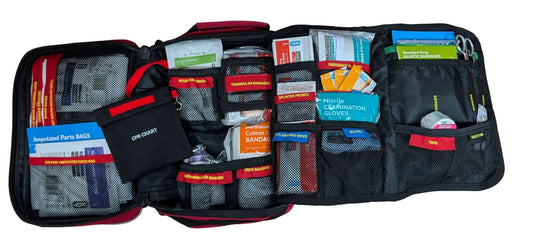
SALETradeMax 5
Regular price $147.97Sale price $147.97 Regular priceUnit price per$149.95SALE -
Major Bleed First Aid Kit
Regular price $169.97Sale price $169.97 Regular priceUnit price per -

 SALE
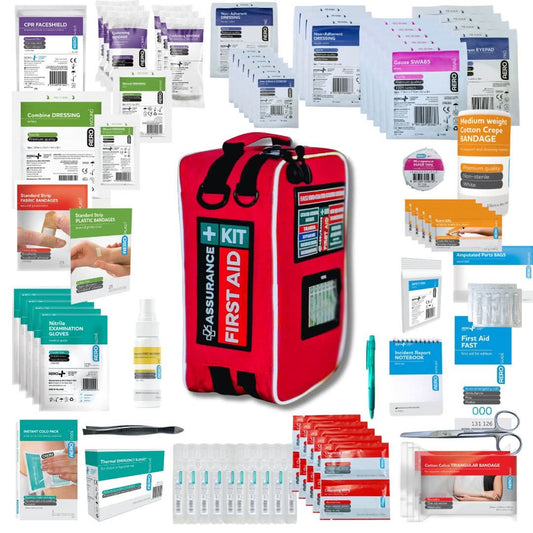
SALETradeMax 10
Regular price $167.97Sale price $167.97 Regular priceUnit price per$182.35SALE -
Remote Area Survival First Aid Kit
Regular price $577.97Sale price $577.97 Regular priceUnit price per -
Excursion First Aid Backpack
Regular price $299.97Sale price $299.97 Regular priceUnit price per$0.00 -

 SALE
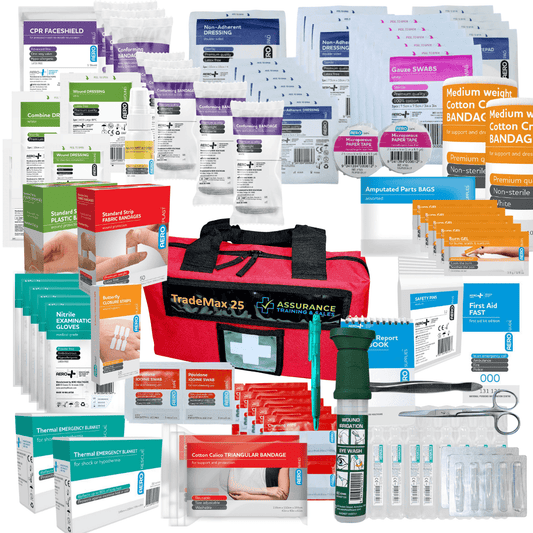
SALETradeMax 25
Regular price $275.97Sale price $275.97 Regular priceUnit price per$289.95SALE -
Wall Mounted First Aid Kit 5
Regular price $159.99Sale price $159.99 Regular priceUnit price per$0.00 -
NSW Dept Education First Aid Backpack
Regular price $254.97Sale price $254.97 Regular priceUnit price per$0.00 -
NSW Dept Education First Aid Box
Regular price $244.97Sale price $244.97 Regular priceUnit price per$0.00


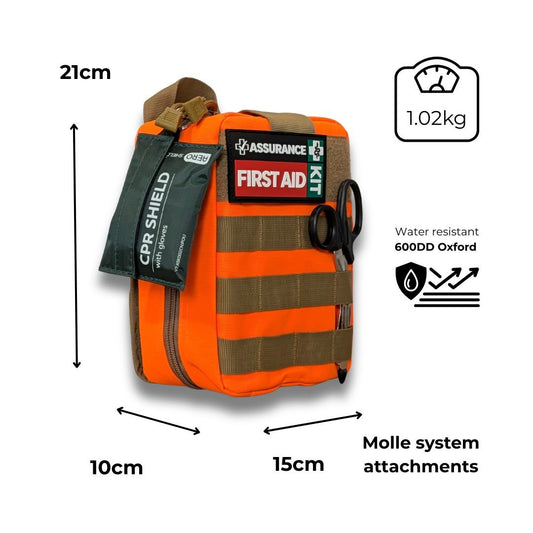

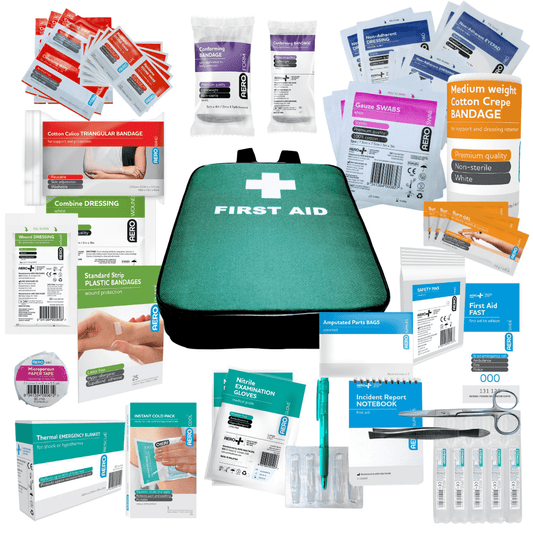

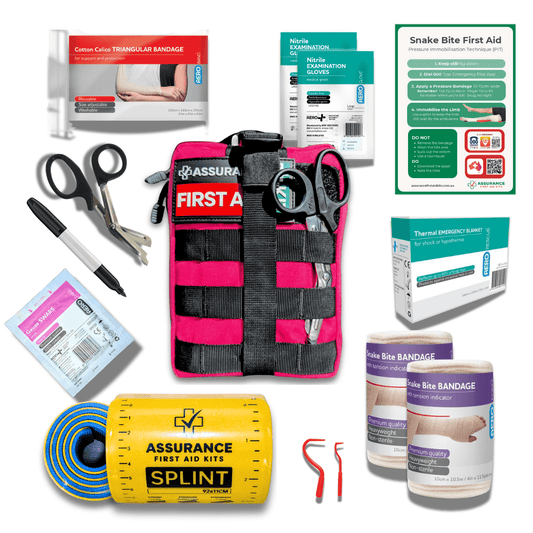
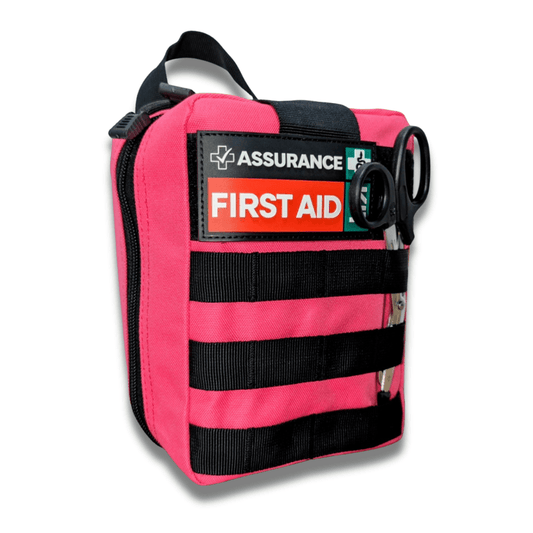


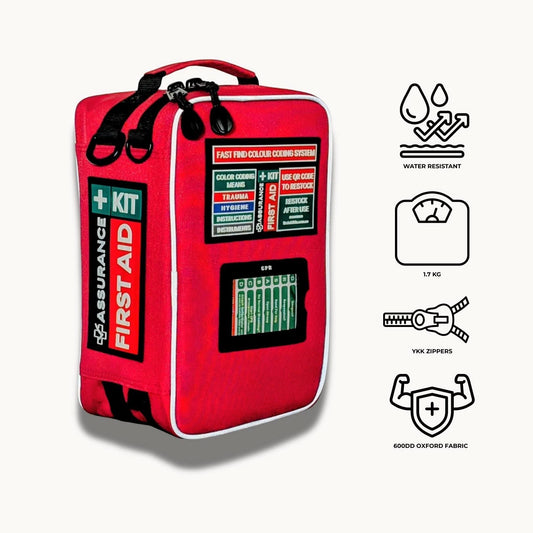


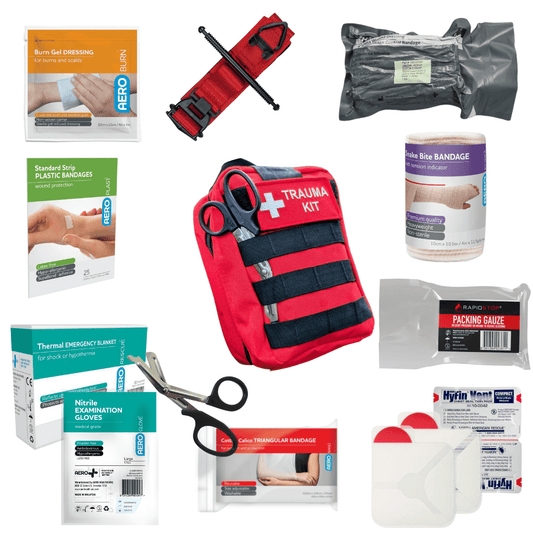

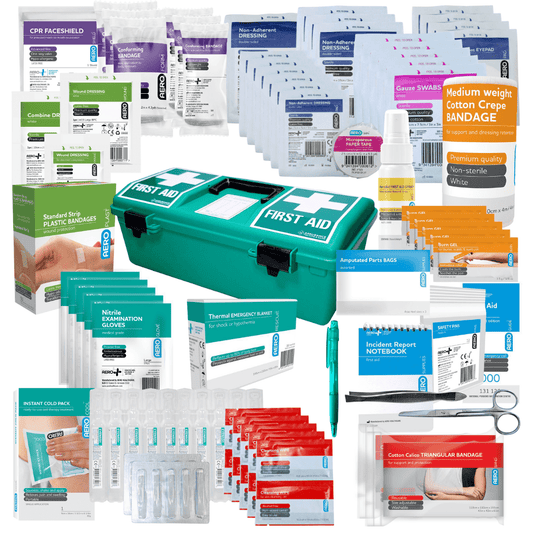

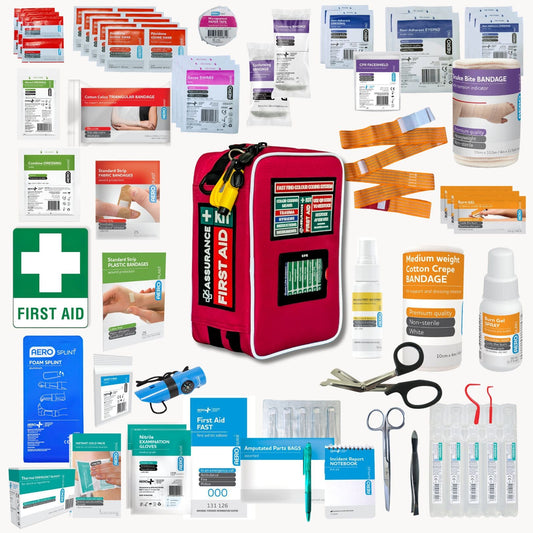

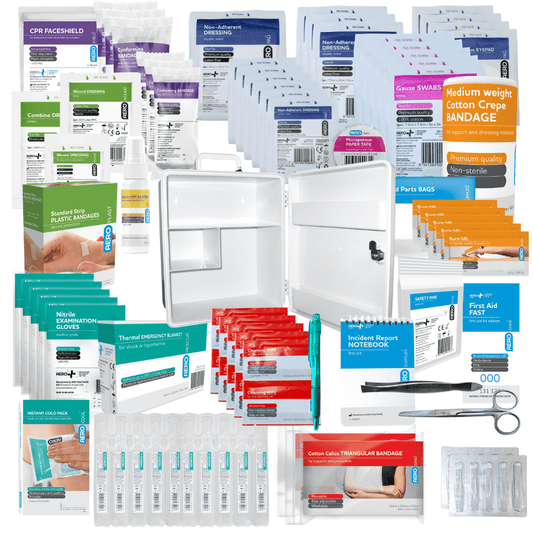


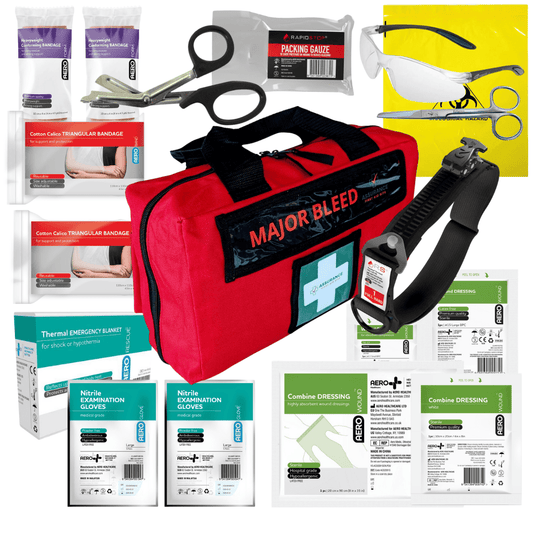


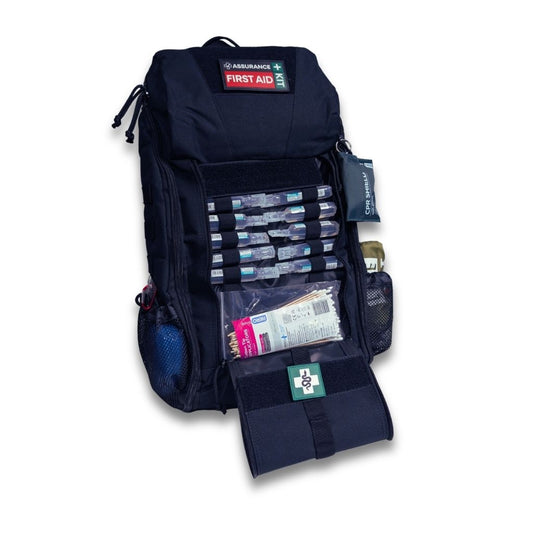
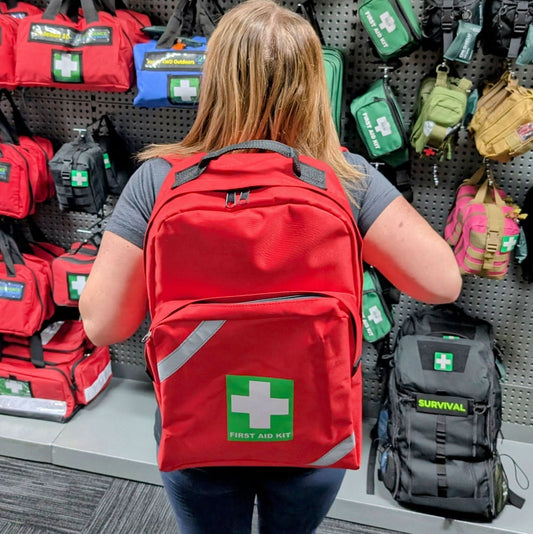
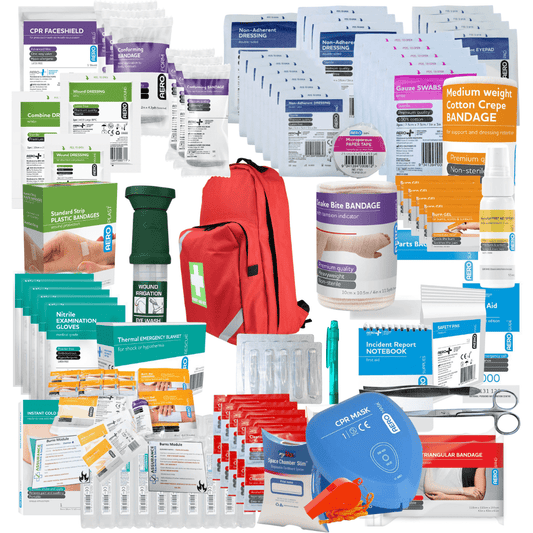


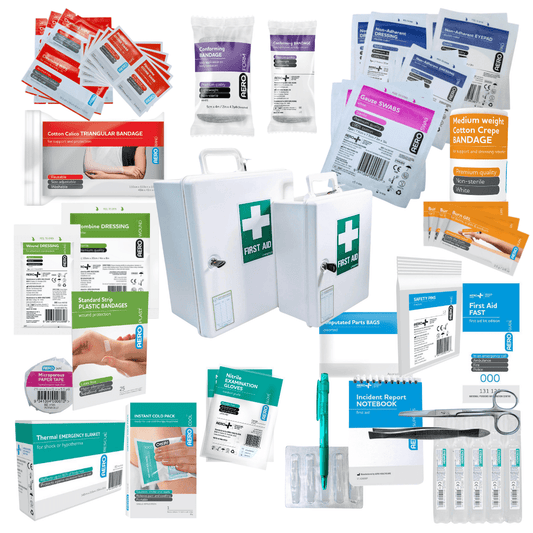

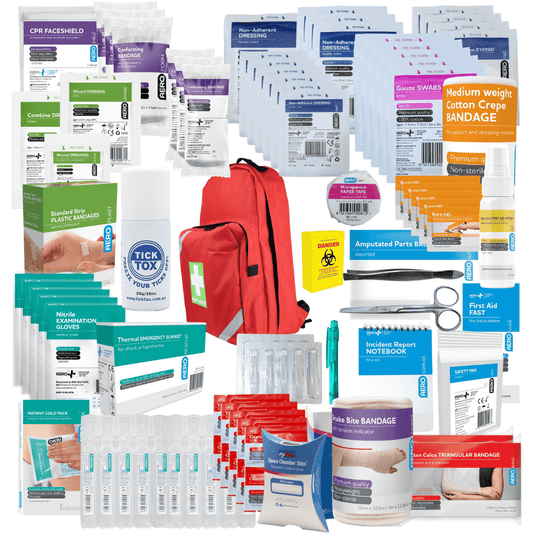

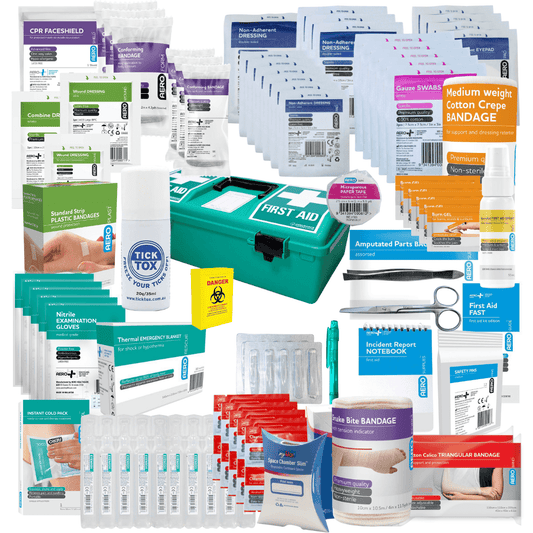
First Aid Kits Packed in Australia for Australian Conditions
A first aid kit isn't decoration. It's equipment you rely on when something goes wrong. Every kit in this collection is packed by hand in Dubbo, NSW using hospital-grade supplies — organised for fast response, free from filler items, and built for real-world Australian conditions.
Whether you need a workplace-compliant kit, a family kit for home, a vehicle kit for the road, or trauma capability for remote travel — the right kit is the one that matches your actual environment and risk level.
Shop by Environment
Choose by where you need your kit — not just by price. The right kit for a construction site is different from the right kit for a family car or a remote camping trip.
For offices, retail, trades and workplaces. Aligned with Safe Work Australia guidance.
Construction Trades & ConstructionFor construction sites, tradies and mobile work vehicles. Trauma-capable and WHS-aligned.
Home & Family Home First Aid KitsComprehensive everyday coverage for households, families and home preparedness.
Vehicle Car & Vehicle KitsCompact and roadside-ready for cars, utes, fleet vehicles and mobile workers.
Outdoor Camping & 4WD KitsFor remote travel, caravans and off-road trips. Comprehensive first aid plus trauma capability.
Hiking Hiking First Aid KitsLightweight and capable for bushwalking, trail running and multi-day hikes.
Snake & Spider Snake Bite KitsPressure immobilisation kits for Australian venomous bites and stings. Three models available.
Sports & School Sports & School KitsFor sporting clubs, schools and education settings. Organised for shared environments.
Trauma IFAK — Individual Trauma KitsPersonal carry trauma kits for high-risk environments, remote work and serious adventurers.
Bleed Control Trauma & Bleed ControlTourniquet, wound packing and trauma dressings for major bleeding and serious incidents.
Restock Refill & Restock PacksKeep your kit compliant and in date. Restock packs matched to Assurance kit models.
Not Sure Which Kit You Need?
Use this as a starting point — then browse by category or use the Find My Kit tool to answer three quick questions.
- Everyday home and family use → Home First Aid Kit
- Workplace compliance required → WHS Workplace Kit
- Driving or touring regularly → Vehicle First Aid Kit
- Heading remote or off-grid → Camping & 4WD Kit
- Snake or spider bite risk → Snake Bite Kit
- Higher-risk environment → Add Trauma Capability
Kit Type Comparison
| Kit Type | Best For | Risk Level | Shop |
|---|---|---|---|
| Home & Family Kit | Households, school runs, everyday injuries | Low | Shop → |
| Workplace Kit | Offices, retail, shared workplaces | Low–Med | Shop → |
| Trades & Construction Kit | Construction sites, tradies, mobile vehicles | Medium | Shop → |
| Vehicle Kit | Cars, utes, fleet vehicles, roadside | Low–Med | Shop → |
| Camping & 4WD Kit | Remote travel, caravans, off-road trips | Med–High | Shop → |
| Snake Bite Kit | Regional properties, outdoor work, bush travel | Medium | Shop → |
| Sports & School Kit | Sporting clubs, schools, education settings | Low–Med | Shop → |
| IFAK | Personal carry, remote work, high-risk environments | High | Shop → |
| Trauma & Bleed Control | Major bleeding, serious incidents, high-risk sites | High | Shop → |
Why Australian-Packed Matters
Most first aid kits sold in Australia are imported in bulk, packed overseas, and filled to meet a price point — not real conditions. Assurance kits are packed by hand in Dubbo, NSW. That means greater quality control, hospital-grade consumables selected intentionally, and kit contents that reflect the actual conditions of Australian environments.
No fillers. No cheap substitutes. Every item selected for reliability in real emergencies.
Hand-packed in Australia with local quality control and accountability.
Built from real first aid training experience — not assembled from a catalogue.
Clearly labelled compartments so you find what you need fast — not after scrambling.
Frequently Asked Questions
What is the best first aid kit to buy in Australia?
Are Assurance first aid kits WHS compliant?
Are your kits packed in Australia?
What is the difference between a standard kit and a trauma kit?
Do I need a first aid kit in my vehicle?
Guides to Help You Choose
Last reviewed: March 2026
Not sure which kit is right for you? Answer three questions and we'll point you to the right one.
Find Your Kit