
-
Assurance Family First Aid Kit
Regular price $189.97Sale price $189.97 Regular priceUnit price per$199.99SALE -
Workplace First Aid Kit 5
Regular price $149.97Sale price $149.97 Regular priceUnit price per$159.00SALE -
Slimline Vehicle First Aid Kit
Regular price $139.97Sale price $139.97 Regular priceUnit price per$0.00 -
Complete Tick Removal Set
Regular price $48.97Sale price $48.97 Regular priceUnit price per

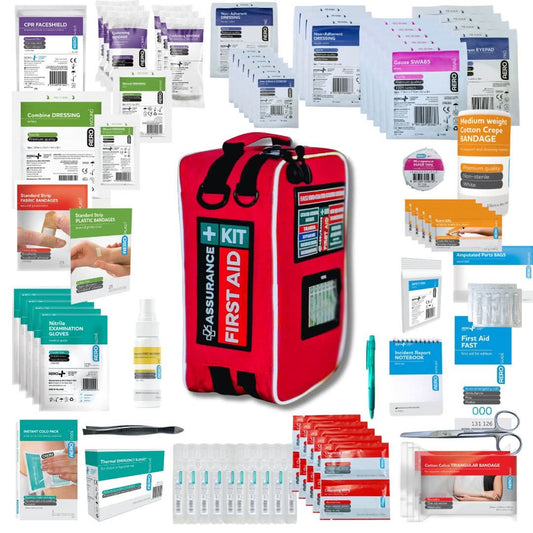

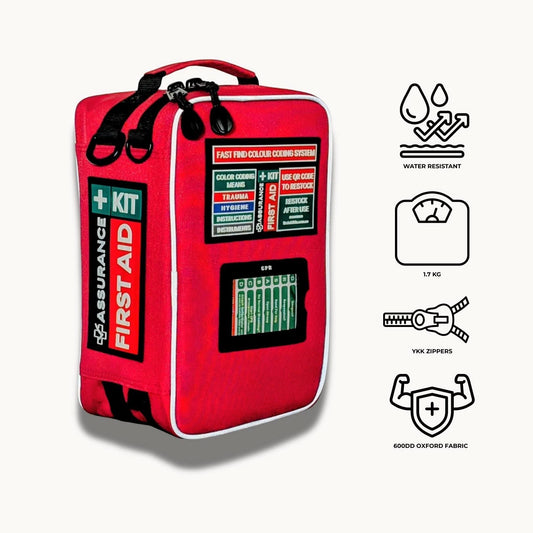

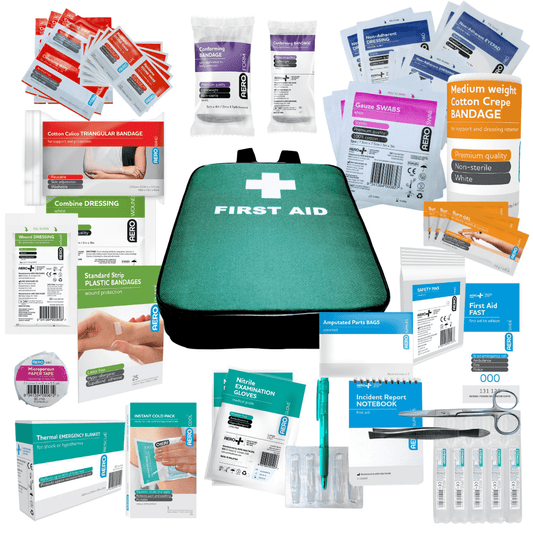

Home First Aid Kits for Australian Families
Every home should have a first aid kit. Not hidden in a cupboard. Not half-empty. Not filled with items nobody recognises. A proper home first aid kit is organised, stocked with supplies that actually work, and easy to access when something happens — because injuries don't wait for a good moment.
This collection brings together home and family first aid kits designed for everyday Australian household use. Packed by hand in Dubbo, NSW with hospital-grade supplies. Organised clearly so parents and caregivers can find what they need fast.
Choose the Right Kit for Your Home
Compact everyday coverage for smaller households and apartments. All the essentials without unnecessary bulk.
Broader coverage for active households with children. More bandages, more dressings, more capacity for the unexpected.
For families in regional areas or homes further from emergency services. Comprehensive coverage with snake bite bandage included.
What a Home First Aid Kit Needs to Cover
Family life is unpredictable. School sport. Backyard projects. Kitchen accidents. Weekend activities. A proper home kit is stocked for the injuries that actually happen — not just the ones that look tidy on a packaging list.
What's Inside Our Home Kits
Why Organisation Matters as Much as Contents
In a workplace, first aid is structured and practiced. At home, it often isn't. When something happens — a child cuts their hand, a burn from the stove, a sports injury on the weekend — the last thing you want to do is search through a disorganised box under pressure.
Find what you need immediately — not after emptying the kit on the floor.
Clear layout means calmer response. Calm response means better outcomes.
Organised kits make it obvious when something has been used and needs replacing.
Knowing where everything is makes you more confident when it matters most.
Keeping Your Home Kit Ready
A first aid kit you haven't checked in two years is not a first aid kit — it's a storage box. Keeping your kit ready takes less than five minutes and should happen regularly.
- Check expiry dates on dressings, eye wash, and CPR barrier every 6–12 months
- Replace any items used after every incident — don't wait for the next audit
- Check gloves for deterioration, especially if the kit is stored in a hot environment
- Make sure everyone in the household knows where the kit is kept
- Consider a restock pack so replacing items is quick and straightforward
Frequently Asked Questions
What is the best first aid kit for home use in Australia?
Do I need a first aid kit at home in Australia?
How often should I check my home first aid kit?
Are these kits suitable for families with children?
What should a home first aid kit include in Australia?
Helpful Guides for Australian Families
Last reviewed: March 2026
Not sure which kit is right for you? Answer three questions and we'll point you to the right one.
Find Your Kit