
-
Assurance Snake Bite Plus Pink
Regular price $89.97Sale price $89.97 Regular priceUnit price per$119.99SALE -
Assurance Snake Bite Kit
Regular price $79.97Sale price $79.97 Regular priceUnit price per$84.99SALE -
Assurance Snake Bite Kit Plus
Regular price $89.97Sale price $89.97 Regular priceUnit price per$119.99SALE -
Assurance Snake Bite Max Kit
Regular price $139.97Sale price $139.97 Regular priceUnit price per$154.99SALE -
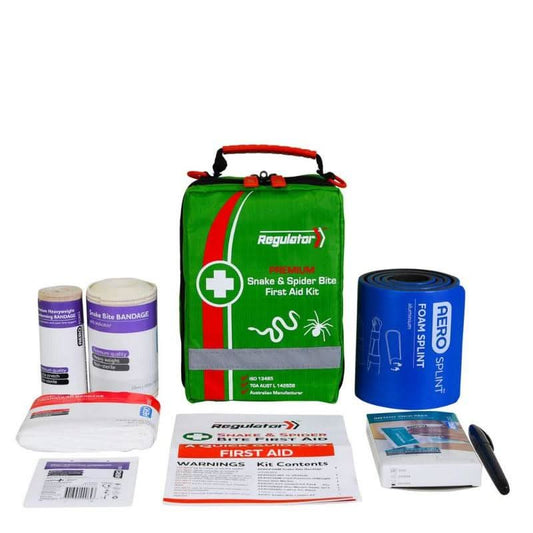
Snake & Spider First Aid Kit
Regular price $44.97Sale price $44.97 Regular priceUnit price per$49.99SALE -
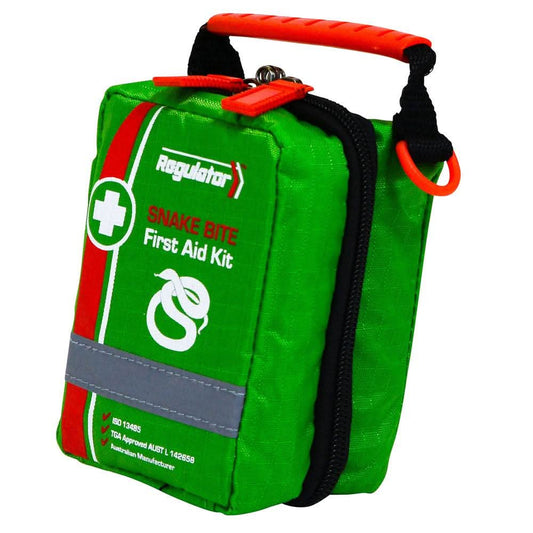
Snake Bite First Aid Kit
Regular price $24.97Sale price $24.97 Regular priceUnit price per$27.99SALE -
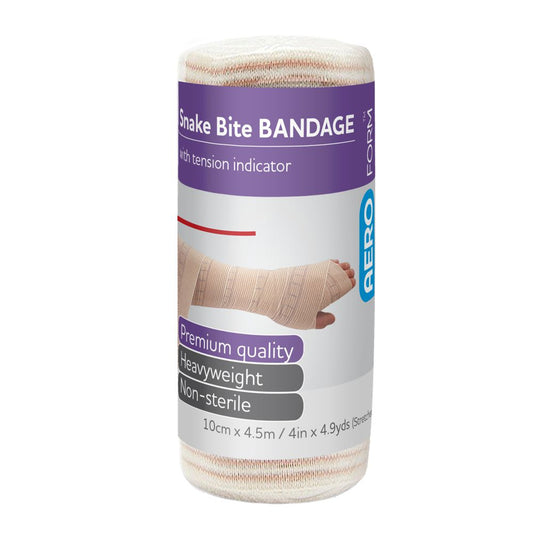
Snake Bite Bandage with Indicator (Suits Legs)
Regular price $19.97Sale price $19.97 Regular priceUnit price per -
Snake Bite Bandage with Indicator (Suits Arms)
Regular price $10.00Sale price $10.00 Regular priceUnit price per -
Complete Tick Removal Set
Regular price $48.97Sale price $48.97 Regular priceUnit price per






Snake Bite Kits Built for Australian Conditions
I design every snake bite first aid kit around 19 years of teaching Australians how to respond to snake bites — and Dan hand-packs each one, right here in Dubbo. Most standard first aid kits don't carry enough snake bandage length to properly immobilise an adult limb. These do.
Every kit follows the same pressure immobilisation technique I teach in my courses — the ANZCOR-recommended first aid response for serious Australian snake and spider bites.
Choose the Right Snake Bite Kit
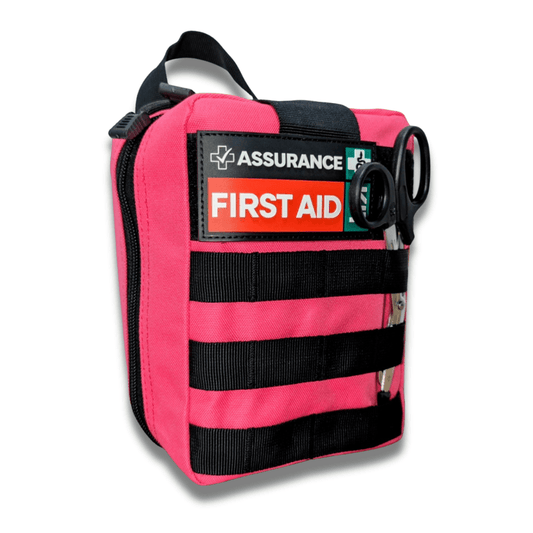
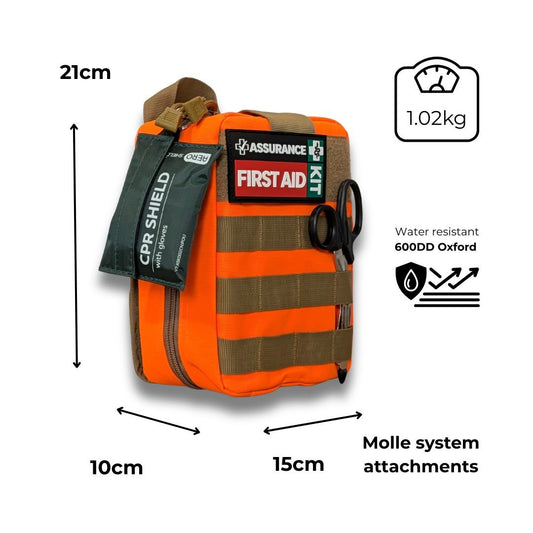
Lightweight everyday carry with two indicator bandages, a splint, and an instant ice pack. Fits a backpack, glove box, or belt clip. Best for solo walkers, day hikes, and vehicles.
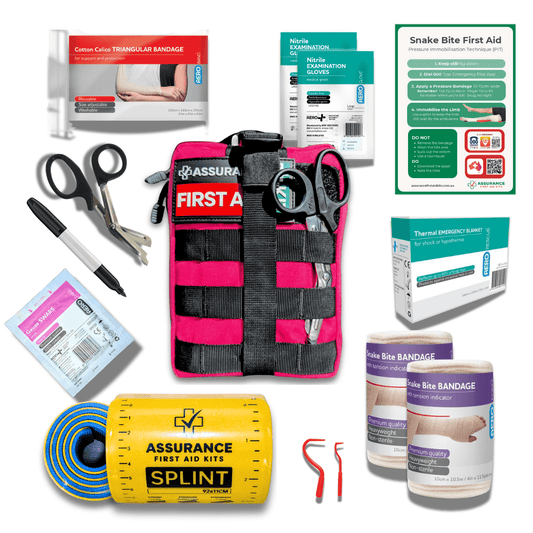
Family & Farms Snake Bite PlusFull-length 10.5m bandages for complete adult limb coverage, plus a splint, thermal blanket, and tick removal tools. Best for families, rural properties, farms, and anyone with pets.
Remote & 4WD Snake Bite MaxFull envenomation range — snakes, spiders, ticks, and marine stings — plus hospital-grade wound care and pet-safe tick removal. Best for remote travel, 4WD, caravans, and serious bush users.
Pressure Immobilisation — The Correct Australian Response
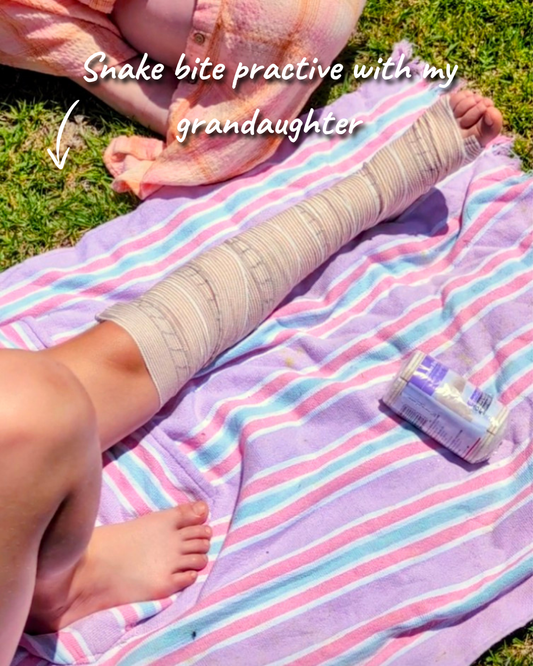
For most venomous Australian snake and spider bites, the correct first aid is pressure immobilisation, using a firm snake bite compression bandage. Here's what I teach in every course:
- Apply a firm bandage (also called a compression bandage) directly over the bite site
- Continue bandaging firmly up the entire limb
- Immobilise the limb with a splint where possible
- Keep the patient still and calm — movement spreads venom
- Call 000 immediately and do not remove the bandage
Frequently Asked Questions
Do I need a dedicated snake bite kit?
How can I tell if a snake is venomous?
Should I catch or kill the snake to identify it?
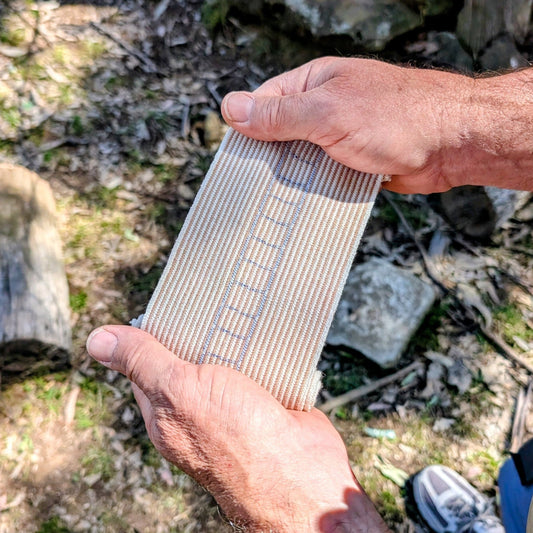
What is a snake bite bandage with indicator, and why does it matter?
Are these kits only for snake bites?
Are these suitable for farms, 4WD, remote travel, and workplaces?
When is snake season in Australia?
Do snake bite kit components expire?
Do these kits contain antivenom?
Should I call 000 immediately even if there are no symptoms?
Read Before You Go Bush
- Do I Really Need a Snake Bite Kit in Australia?
- The Ultimate Snake Bite First Aid Kit: Be Prepared for Australian Snake Season
- How to Apply a Snake Bite Bandage Correctly — Step by Step
- Why It Is Important to Practice Snake Bite First Aid
- Where on the Body Most Snake Bites Happen in Australia
- What Does Snake Venom Do in the Body?
- Australian Snake Behaviour and Bite Safety 2026
- Do Australian Snakes Hibernate? Brumation vs Hibernation Explained
- Snake Bite First Aid for Neurodiverse Kids: A Step-by-Step Guide
Last reviewed: August 2026
Not sure which kit is right for you? Answer three questions and we'll point you to the right one.
Find Your Kit