

SALE
Out of Stock
IFAK Hike
IFAK Hike
Compact trauma-capable IFAK for serious Australian bushwalking.
Regular price
$148.99
Sale price
$148.99
Regular price
$0.00
Unit price
per
-
 Hike
Hike
-
 Major Bleed
-
 Snake
Snake
-
 Moto
Moto
Couldn't load pickup availability
 48 Hour Dispatch
 Secure Pay Options
 Free Shipping Over $149.99 until June 30
Kit Includes
Kit Includes


Description
Description
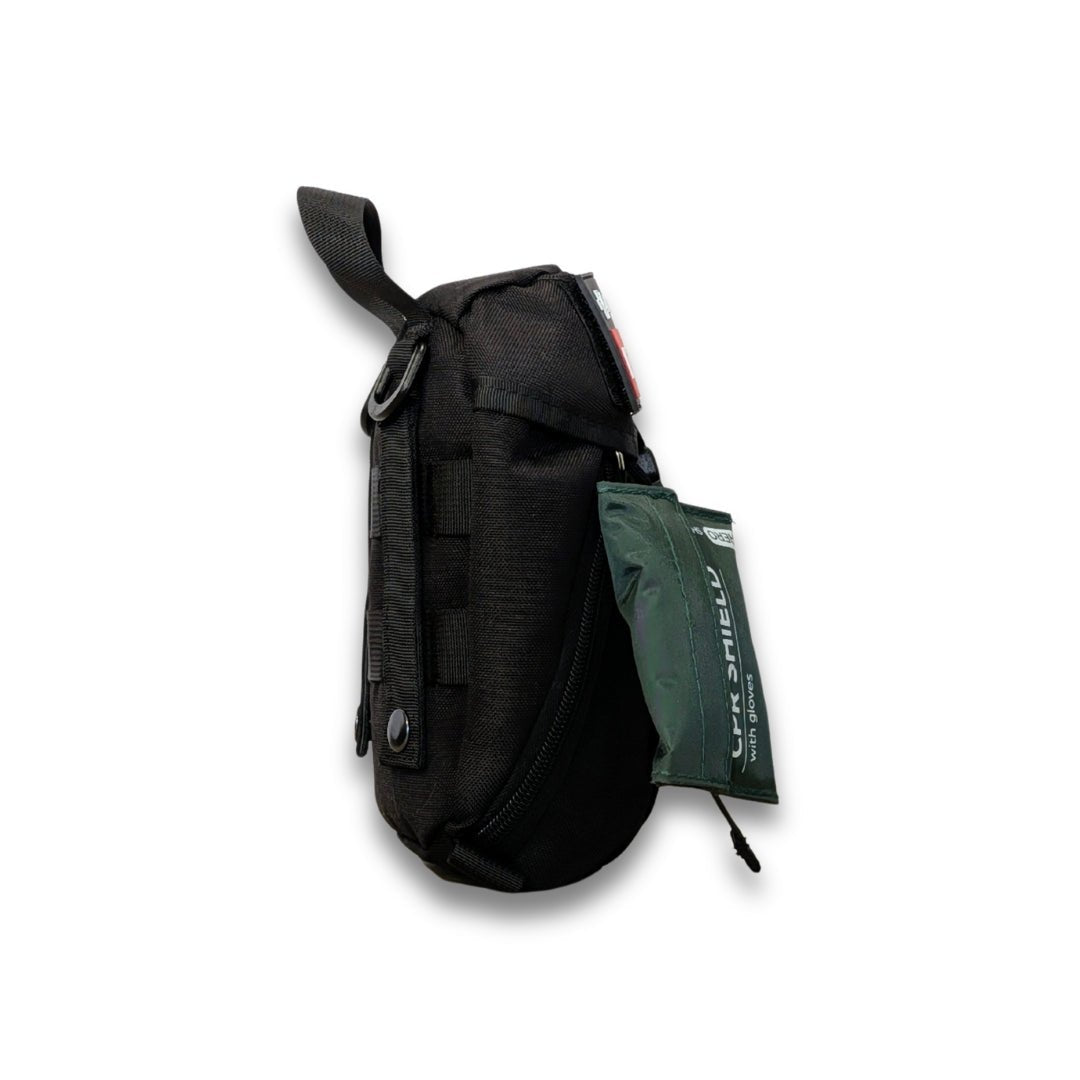
Most hiking kits stop at blisters and strains. The IFAK Hike does not. This is a trauma-capable personal first aid kit for one person — packed into a compact MOLLE-compatible stingray bag for bushwalkers heading into remote or higher-risk terrain where serious injuries happen and evacuation takes time.
Built and inspected by hand in Dubbo, NSW — by people who know what remote Australian terrain actually demands.
- Military trauma and haemorrhage control bandage, RAPIDSTOP packing gauze, and Slishman pressure wrap The Slishman is specifically designed for Australian snake bite pressure immobilisation and major wound compression — you will not find it in generic hiking kits. RAPIDSTOP packing gauze controls deep wound bleeding where direct pressure alone is not enough. Read our guide on how to build a hiking first aid kit to understand why these items matter in the Australian bush and what separates a trauma-capable kit from a standard one.
- Two snake bite bandages with indicator, sodium chloride eyewash ampoules, sterile combine dressing, triangular bandage, and thermal blanket Most Australian snake bites happen on the lower limbs — two full indicator bandages give you the length to wrap an adult limb completely. The thermal blanket manages shock. Together these items form a complete serious injury response in a pack that earns its weight on every trip.
- Trauma shears and compact MOLLE-compatible stingray bag The stingray format opens flat and gives you fast access to every item without pulling the whole kit apart — critical when you are working under pressure in the field. Clips to a pack, vest, or belt. Built for the conditions you actually hike in. Knowing where your kit is and how to open it under stress matters as much as what is inside it.
- Designed for one person — personal carry, personal responsibility This is an individual first aid kit, not a group kit. It carries what one person needs to respond to a serious injury in a remote environment and keep themselves or another person stable until evacuation arrives. For group hiking, each member should carry their own — or step up to the Remote Area Survival Kit for larger groups.
For multi-day hikes, remote bushwalking, snake country, or any situation where you are carrying responsibility for others and evacuation is not immediate. Not sure whether this or the lighter option is right for your trip? Read our IFAK Hike vs IFAK Hike Lite comparison before deciding. Browse the full hiking first aid kit range or the IFAK range to compare all personal kit options. Check this kit before every trip and replace any used items promptly — refill components are available at assurancefirstaidkits.com.au.
