Collection: Car First Aid Kits Australia

WHS compliant rapid access family-ready car first aid kits. Trusted hospital grade supplies designed for Australian conditions.

Car First Aid Kits for Australian Roads, Families and Work Vehicles

Whether you're commuting to work, doing the school run, or towing a caravan across regional Australia — having the right car first aid kit is not about ticking a box. It's about being ready when something happens on the road, often far from immediate help.

Every vehicle kit in this collection is packed by hand in Dubbo, NSW with hospital-grade supplies. Organised for fast roadside access. Built to handle heat, dust, and movement — because Australian road conditions are not controlled environments.

Packed by Someone Who Knows Australian Roads Samantha Kerr, founder of Assurance First Aid Kits, has 19 years of first aid training experience and a background as a Patient Transport Officer with AirMed in Outback NSW. These kits are built from real-world emergency knowledge — not assembled to hit a price point.

Choose the Right Kit for Your Vehicle

City & Everyday Slimline Vehicle Kit

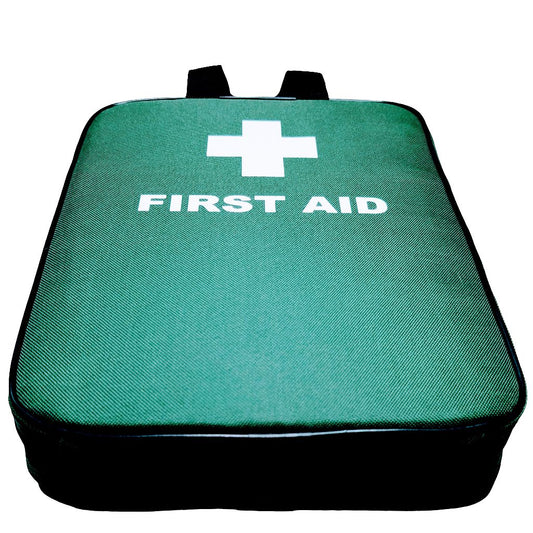
Compact and road-ready for everyday city and suburban driving. Fits neatly in a glove box or door pocket. Essential wound care, CPR protection, and bandaging.

Family & Trades Vehicle First Aid Kit

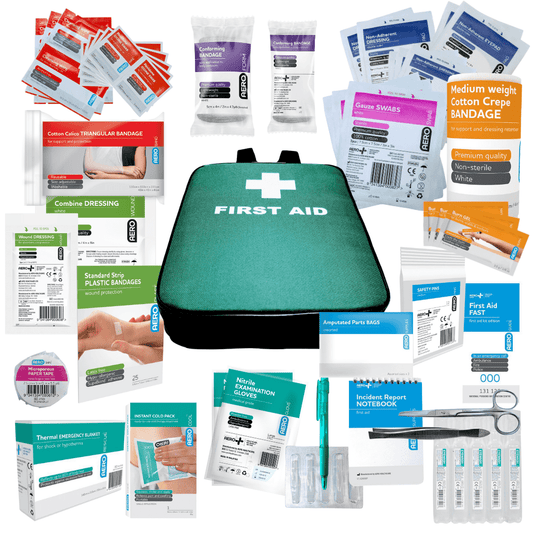
For families, tradies and mobile workers. Broader coverage including eye wash, thermal blanket, expanded wound care and trauma-ready supplies. Dual-purpose for work and family use.

Regional & Remote Family 4WD Outdoor Kit

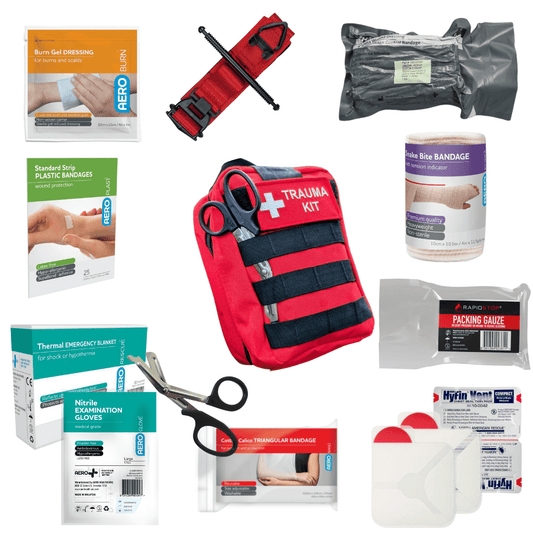
For long road trips, caravan travel, and regional or remote driving. Comprehensive coverage including snake bite bandage, burn treatment, and trauma capability for extended distances from services.

Match Your Kit to Your Drive

The right kit depends on how far you travel and how long it would take emergency services to reach you. Use this as a guide.

Drive Type Recommended Kit Level Key Inclusions
City commuting & school runs Slimline or compact kit Wound care, bandages, CPR barrier, gloves
Tradie & work vehicle Standard vehicle kit — WHS aligned Expanded wound care, eye wash, thermal blanket, trauma supplies
Family & weekend travel Standard to expanded vehicle kit Wound care, burns, eye wash, CPR, thermal blanket, bandaging
Regional highways & country drives Expanded kit with trauma capability All above plus trauma dressing, snake bite bandage
Remote, caravan & 4WD travel Comprehensive remote-ready kit Full coverage — snake bite, burns, trauma, bleed control, extended supplies
Work Vehicles Are Mobile Workplaces — First Aid Is Not Optional

Under Australian WHS legislation, a vehicle used for work is considered a mobile workplace. Tradies, contractors, transport drivers, mobile service technicians and fleet operators have a legal obligation to carry appropriate first aid equipment based on a workplace risk assessment.

This is not optional. A standard home first aid kit stored in the back of a ute does not automatically meet the requirements of the Safe Work Australia First Aid in the Workplace Code of Practice. Equipment must be appropriate to the hazards and risks of the work being performed.

Assurance vehicle kits are structured to support compliance for low to medium-risk mobile workplaces. Always conduct a site-specific risk assessment to confirm the correct kit for your vehicle and work type. For broader workplace compliance, see our WHS Workplace First Aid Kits →

What a Car First Aid Kit Needs to Include

It's not about piece count. It's about having the right equipment — organised clearly — when seconds count on the side of the road.

Clinical-grade wound dressings
Conforming & crepe bandages
Eye wash & irrigation
CPR barrier protection
Thermal blanket
Disposable gloves
Trauma dressing
Snake bite bandage (regional & remote)

Who Carries a Car First Aid Kit

Families & parents
Tradies & contractors
Transport & delivery drivers
Fleet vehicles
Caravan travellers
4WD adventurers
Regional & remote drivers
Mobile service workers
Heat Degrades First Aid Supplies — Check Your Car Kit Regularly Australian summer temperatures inside a parked vehicle can exceed 70°C. This accelerates the degradation of dressings, gloves, and CPR masks significantly. Check expiry dates every 6–12 months and avoid storing perishable supplies in direct sunlight in the boot. Replace any items that are visibly degraded, sticky, or past their expiry date.
Heading Remote or Off-Road? A standard vehicle kit is not designed for remote Australian travel. For camping, 4WD touring, caravan trips, or driving through areas where emergency services may be hours away, you need comprehensive coverage with trauma capability and a snake bite bandage. See our Camping & 4WD First Aid Kits →

Frequently Asked Questions

Do I legally need a first aid kit in my car in Australia?
For private vehicles, carrying a first aid kit is not legally mandated — but it is strongly recommended, particularly for regional or remote travel. For work vehicles, it is a legal requirement. Under Australian WHS legislation, a work vehicle is a mobile workplace and must carry appropriate first aid equipment. Tradies, contractors, transport drivers and fleet operators all have a legal obligation under the WHS Act.
Are these car first aid kits WHS compliant?
Many Assurance vehicle kits meet or exceed Australian WHS expectations for mobile workplaces. Compliance is determined by a workplace risk assessment rather than the kit alone. Always assess your specific risk profile and the nature of your work when selecting a vehicle kit.
What should be in a car first aid kit in Australia?
A proper Australian car first aid kit should include clinical-grade wound dressings, conforming and crepe bandages, eye wash, CPR barrier protection, a thermal blanket, disposable gloves, and trauma-ready supplies. For regional or remote travel, a snake bite bandage and expanded trauma capability are also recommended.
Can one kit cover both work and family use?
Yes. Many customers choose a dual-purpose vehicle kit that supports workplace compliance and family safety in the same case. A mid-range vehicle kit with expanded wound care, eye wash, CPR protection and a thermal blanket covers both everyday family travel and the requirements of a mobile workplace for most low to medium-risk work vehicles.
What is the difference between a small and large vehicle kit?
Smaller vehicle kits suit compact cars and light city use. Larger kits include additional trauma supplies, eye wash, expanded bandaging and greater overall capacity — better suited to long-distance travel, regional roads, towing, and commercial fleet vehicles where incidents may be more serious or more distant from emergency services.
What first aid kit do I need for a road trip or caravan travel?
For road trips and caravan travel in Australia, especially on regional highways or remote tracks, choose a kit with comprehensive wound care, burn treatment, eye wash, a snake bite bandage, CPR barrier protection, a thermal blanket, and trauma capability. The further you travel from emergency services, the more comprehensive your kit needs to be.
Packed in Dubbo, NSW  ·  Dispatched within 48 hours  ·  Drive prepared. Stay compliant. Respond with confidence.
Last reviewed: March 2026

Not sure which kit is right for you? Answer three questions and we'll point you to the right one.

Find Your Kit

Need a bit more information?

FAQs

Do any supplies in the first aid kits expire?

Where required an expiry date is on the individual item.

‘Shelf life’ is the term or period during which a component remains suitable for the intended use. An expiry date is the termination of shelf life, after which a percentage of the component, e.g., medical devices, may no longer function as intended.

See below for the expiry dates of our first aid kits contents that have an expiry:

  • Adhesive dressings: 3 years
  • Combine dressing: 5 years
  • Cotton gauze swabs: 5 years
  • Eye pads: 5 years
  • Hydrogel: 2 years
  • Hydrogel dressing: 5 years
  • Non adherent wound dressings: 5 years
  • Saline: 5 years
  • Skin cleaning wipes: 2 years
  • Splinter probes: 5 years
  • Wound closures: 2 years
  • Wound dressings: 5 years

What’s the first thing I should do if someone is bitten by a snake?


Call 000 immediately. Keep the person still and calm. Apply a pressure immobilisation bandage and immobilise the limb. Never wash, cut, or suck the bite.

How do the tension indicator bandages work?


They have printed rectangles that turn into squares when the bandage is tight enough. No guesswork. No second-guessing

Are snake bites a risk in winter?


Yes. Australian snakes don’t hibernate—they enter brumation. They’re slower, but still active, especially on warm days or when disturbed.

How long do I have to get help after a snake bite?


There’s no exact timeframe—it varies by snake and person. But the right first aid (like pressure immobilisation) buys you time until help arrives.

Can I use this snake bite kit for spider bites or other emergencies?


Absolutely. It’s also suitable for funnel-web spiders, blue-ringed octopus stings, sprains, fractures, and bleeding.

What makes Assurance kits better than cheaper first aid kits?


They include tension indicator bandages, clear instructions, and high-quality gear built for real Australian conditions—no filler items or cheap imports.

Which snake bite kit is right for me?

Assurance Sanke Bite Kit: Lightweight kit for hikes and vehicles

Assurance Snake Bite Plus: Family/pet-friendly for homes and holidays


Assurance Snake Bite Max: Full gear for broadest range of venomous and non venomous bites and stings. Suits families, outdoor leaders or first responders


Can I use this snake bite kit on children or pets?

Yes, absolutely. Just follow the included step-by-step instructions carefully. These kits are used in schools and by pet owners across Australia.

What are the signs of a venomous bite?


You might see puncture marks, nausea, blurred vision, difficulty breathing, or collapse. But not always—some symptoms are delayed.